
Elections are less than a month away: how could your property value be impacted?
15 October 2026
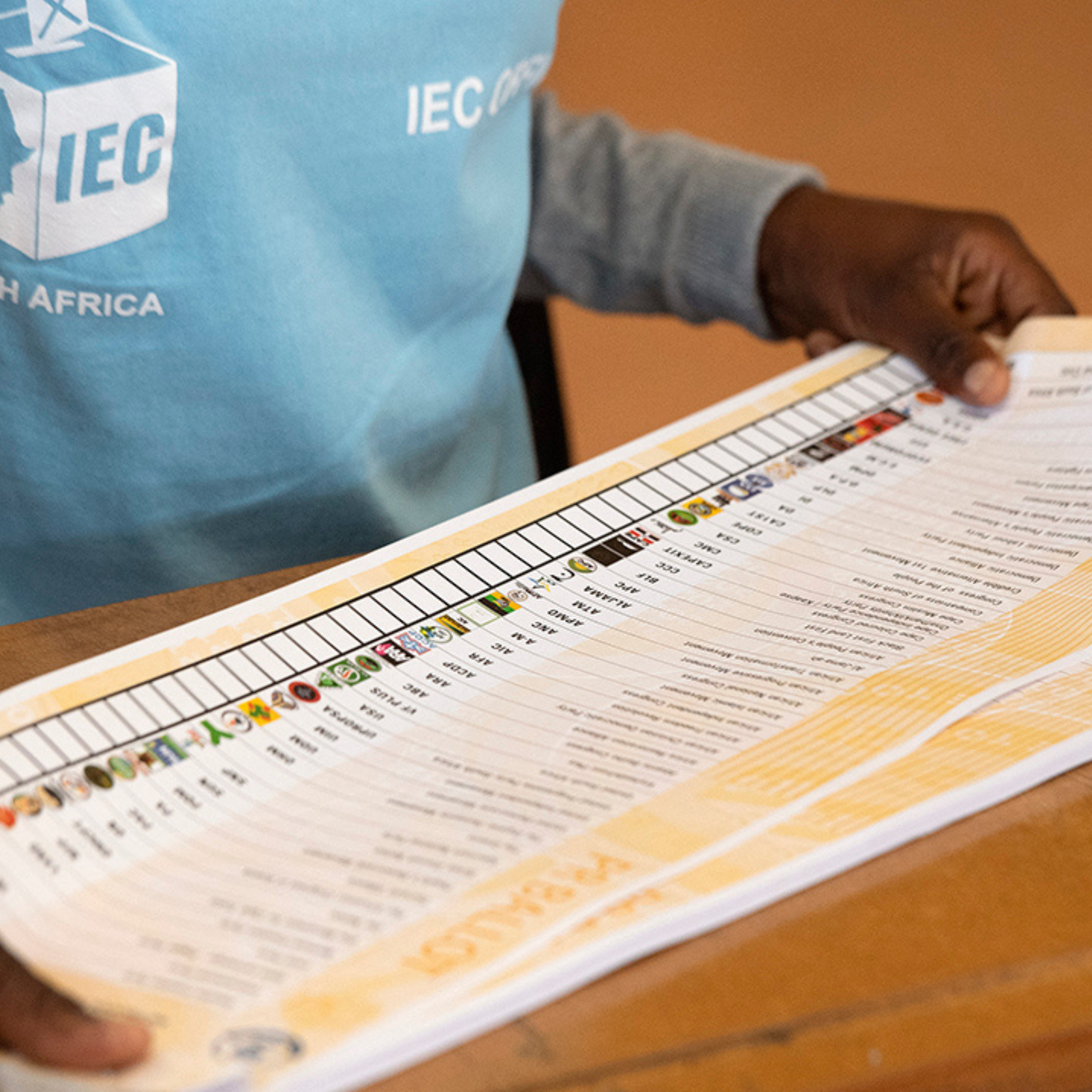
On 4 November, Capetonians vote in the local government elections, and the result matters to your property. Rates, water, electricity, roads and billing all depend on who runs the city, and buyers pay a premium for areas where those things work.
What’s expected in Cape Town
Cape Town has been run by the DA for 20 years, and it won an outright majority in 2021. This time the race looks tighter. Ipsos polling published in September suggests the DA could lose its outright majority, with support spreading to smaller parties. The DA says its own numbers have surged and is campaigning hard for an outright win. Opposition candidates, including GOOD’s Brett Herron, openly expect a coalition. Polls are only a guide, but a closer result than 2021 is a real possibility.
What history tells us
- Elections rarely change the long-term trend. Past election years haven’t produced a significant fall in Cape Town values. Poor administration has had a bigger effect than the election itself.
- The pre-election pause is real. In 2019, Cape Town saw fewer sales in the run-up to the national election, even though prices had grown strongly over the preceding four years.
- Good governance has been rewarded. In 2021, FNB’s Property Barometer recorded Western Cape house price inflation of 12.1%, against 7.1% nationally. Service delivery matters to buyers.
What could be different this time
- A real chance of a coalition. In 2021 the outcome was not in doubt. This time, if no party wins a majority, the weeks of negotiation after the vote could leave the city without a clear direction.
- Coalition fears elsewhere. Hung councils in other metros have become a talking point. Gauteng’s market has been under pressure from service delivery failures, and buyers are watching to see whether Cape Town heads the same way.
- Higher rates. The Reserve Bank raised rates in May, which has made buyers more cautious about what they can afford.
Probable outcomes
- The DA holds a majority. Stability and continuity. This is the best case for buyer confidence.
- The DA wins the most seats but needs partners. The market is likely to wait and see while the coalition takes shape.
- A fragmented council. This carries the most uncertainty for service delivery and, with it, buyer sentiment.
What this could mean for prices
Cape Town has a cushion. Analysts say the city continues to outperform on sustained demand and a shortage of supply, and the Cape is expected to remain a seller’s market while much of the country favours buyers. So we don’t expect a crash under any scenario. The risk is subtler: a slower market, with buyers hesitating, deals taking longer and offers coming in lower while the political picture settles. Pressure on rates and bills, including a proposal that could more than double rates for Airbnb owners, adds to the uncertainty for investors.
Where the market stands going into 4 November
- Investors aren't waiting for the result. Development investment in central Cape Town reached R12.8bn in 2025/26, up 41% from R9bn the year before, with residential projects leading for the second year running (State of Cape Town Central City Report, July 2026).
- Values have already moved. The City's 2025 general valuation, which took effect on 1 July and now appears on your rates bill, recorded strong growth in residential values across the metro.
- Owners tend to hold back before a vote. Ahead of past elections, agents have consistently reported sellers waiting until after polling day to list.
- The buyer's pause is smaller than it sounds. Research cited ahead of the 2024 national election found that pre-election hesitation affected only 2% to 3% of buyers, and only for a few months.
- Summer is when Cape Town buys. Last year, over 50% of Quay 1's sales were agreed between November and February.
None of this depends on who wins on 4 November.
What to do before 4 November
1. Check your municipal valuation and rates bill. For the 2026/27 financial year, the first R620,000 of value on homes valued at up to R8 million is excluded from rates calculations (up from R450,000), so confirm the rebate has been applied.
2. Ask your ward councillor what has been done on roads, water, electricity and billing errors.
3. Landlords and Airbnb hosts should follow the proposed short-term rental rules closely.
4. Thinking of selling? Transfer cannot register without a rates clearance certificate, so make sure your municipal account is up to date now.
Voting essentials
- Election day is Wednesday, 4 November. It is a public holiday, and voting stations are open from 7am to 9pm.
- Voter registration is closed, and you can only vote at the station where you are registered. Check yours at maps.elections.org.za/vsfinder.
Wondering what your home is worth right now, before the election noise starts? Click below for an updated valuation from Quay 1 International Realty and a view of how it's positioned.
Looking to make a move?
Browse live Cape Town listings or get a free valuation from our team.
More insights
 Cape Town City Updates
23 August 2026
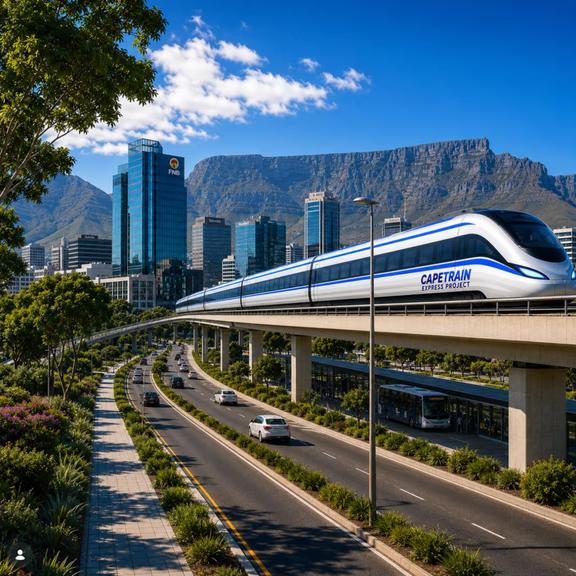
Big Rail Plans for Cape Town - Is your suburb on the line?
There’s excitement in the air around Cape Town’s transport future right now and property owners have more riding on it than most realise.
 Cape Town City Updates
17 June 2026
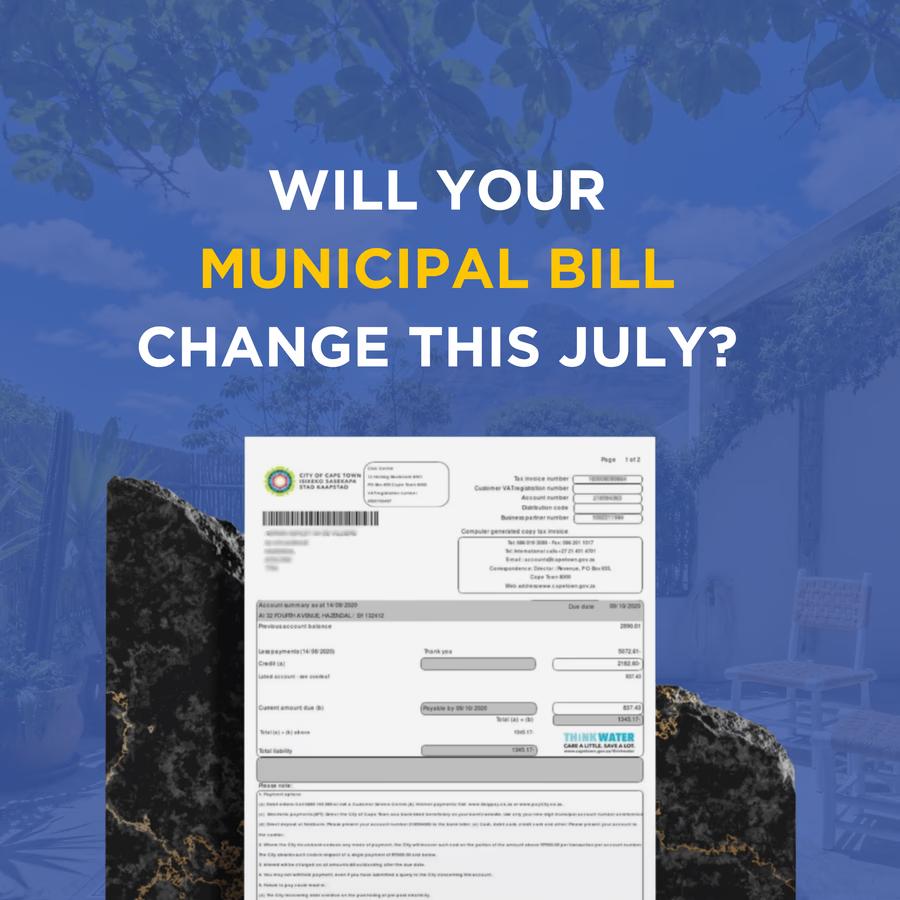
Will Your Municipal Bill Change This July?
As of 1 July 2026, Cape Town homeowners can expect changes to the way municipal charges are calculated following the City's revised budget proposals. The most notable adjustment is that fixed water and sanitation charges will once again be determined by water meter size rather than property value.
 Cape Town City Updates
24 May 2026
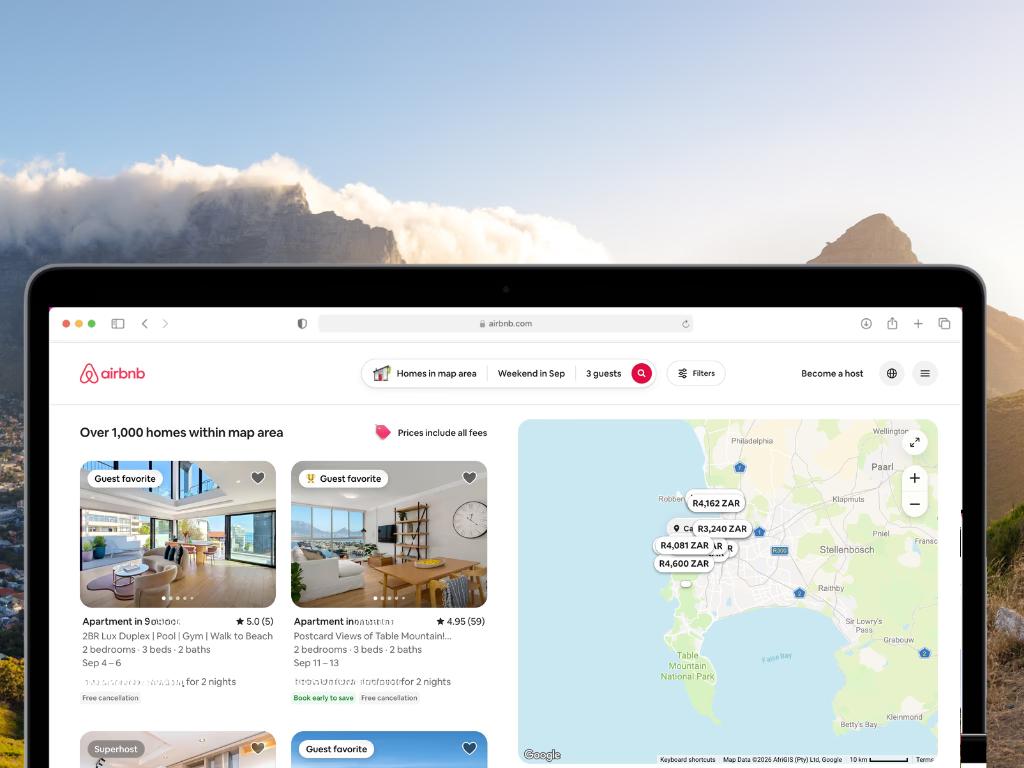
The Airbnb gold rush in Cape Town just got complicated - here’s why!
A significant shift is on the horizon for Cape Town’s short-term rental market, as the City of Cape Town proposes updates to its rates policy aimed at creating greater fairness across the commercial accommodation sector.