
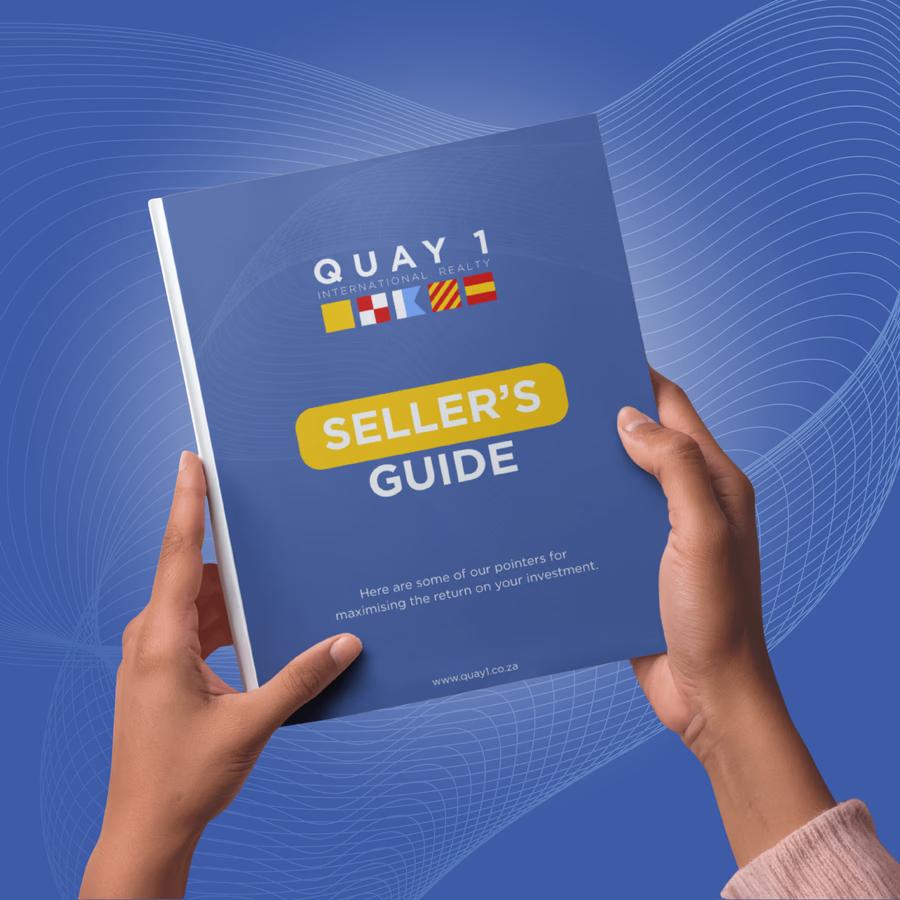
Seller's guide
Selling your property, from decision to Deeds Office
Preparation is what separates a good sale price from a disappointing one. Here is how the process runs, and where the value is won.
7 min read8 steps
Written by the Quay 1 broker team. Every step below is something we walk clients through in person.
What you'll learn
Just like purchasing a property, selling one requires careful preparation. Quay 1's specialised brokers are skilled at Navigating Success in all market conditions to ensure that you maximise the return on your investment. Consider the tips in our Seller's Guide below to ensure that your property has the best possible chance of achieving a top result in any market.
Defining Your Reasons for Selling
Why are you selling?
Understanding your motivation is more than a formality: it shapes your entire approach to the process. Whether you are relocating, seeking a home that better suits your family's evolving needs, or simply recognising the right moment to capitalise on a strong market, clarity of purpose will inform every decision you make along the way.
Choosing a Real Estate Brokerage That Suits You
Choosing a real estate agency (brokerage) with an area specialist broker who is familiar with the ins and outs of your suburb's market characteristics and trends is the first step to success. The insights and advice that a well-trained specialist broker provides will put you in the inside lane when it comes to increasing your chances of a successful sale in the shortest period of time.
A successful brokerage with a solid track record will have the resources and infrastructure to showcase your property in the best possible light via the implementation of a strategically integrated marketing communications campaign targeted at qualified local, national and international purchasers.
Pricing Your Property
What is the best price?
The value and price of a property can be a complex equation and are dependent on several factors. Being a very important consideration in the sale process, the listing price recommendation provided by a broker should take both your aspirations and goals into account, together with the current supply and demand in your area.
Other factors include recent sales data and price trends, as well as the local and macroeconomic conditions prevalent in the market at the time.
Enhancing the Value of Your Property
In order to sell your house efficiently, your broker will ask you to point out any material defects present and, in certain cases, will recommend maintenance and repair work to be done.
Often, smaller defects are not a serious cause for concern and purchasers are able to look beyond these. You can also use home-staging methods to enhance the potential of each room and help prospective buyers imagine themselves enjoying the space. Sometimes it doesn't take much to transform a place into a warm and welcoming abode!
Making It Easy to Arrange Showings
Sellers are asked to be flexible when listing their home on the market. While it is now possible to conduct virtual video tours to give prospective purchasers an idea and feel of a property, the best way to position your home above the rest is to make it available for a few viewing slots throughout the week.
Paying Close Attention to Offers
You may receive more than one offer to purchase your property, depending on the situation. It's important to review and consider all reasonable offers that seem appropriate. Don't be in a hurry to turn down an offer that may be lower than what you were hoping to get; your broker should be able to negotiate with the buyer to get them as close to your aspirational price as possible.
Once a Sale Agreement Is Concluded
Your purchaser may need to apply for a bond to help finance the purchase of your property. In this scenario, the bank's valuers will ask to conduct their own inspections. You will also be required to furnish relevant certificates of compliance in accordance with the Offer to Purchase agreement before registration. These certificates can vary from the electrical compliance certificate, plumbing certificate, electrical fence system compliance certificate, gas certificate, as well as a beetle certificate.
Starting the Conveyancing Process
The transfer of ownership of a property is conducted by a specialised legal practitioner known as a conveyancing attorney. The process starts once the seller accepts an offer to purchase and all conditions are met. It's the seller's prerogative to select a conveyancer to facilitate the transfer. The entire transfer process from start to registration at the Deeds Office can take anything from 4 weeks onwards, depending on the circumstances and complexity of the sale; however, the average period is around 3 to 4 months.
Once the transfer is registered at the Deeds Office, the buyer becomes the legal owner of the property, and you have just concluded your sale!
Seller's Guide - common questions
How should I price my property?
Price it on evidence, not hope. An accurate, market-related price attracts the most serious interest early, when a listing has the most attention. Your Quay 1 broker prepares a valuation using comparable sales and current competing stock in your suburb.
How do I choose the right agency to sell my home?
Choose a brokerage with genuine expertise in your specific area: they will know the active buyers, realistic pricing and how your property compares to what else is available. Ask what marketing the listing will actually receive and how buyer enquiries are handled.
What can I do to increase my property's value before selling?
Focus on presentation and the small repairs that buyers notice. Making the property easy to view matters just as much: flexible, well-managed showings put your home in front of more of the right buyers.
What happens once I accept an offer?
Once a sale agreement is concluded, the conveyancing process starts. A conveyancing attorney handles the transfer of ownership, the buyer's bond registration and lodgement at the Deeds Office, and your broker keeps the parties moving through each step.
How long does it take to sell and transfer a property?
The selling period depends on price, area and market conditions; registration of transfer at the Deeds Office typically follows some weeks after the suspensive conditions are met. Your broker and conveyancer will give you a schedule for your specific sale.
What is your home worth?
Get a free, no-obligation valuation with the Quay 1 area specialist for your suburb.
Latest from our brokers
All insights Quay 1 News
1 July 2026
“The brokerage that bet on youth - and turned it into a R14bn property business” | Business Day
Sign up for bespoke property market updates here
 Area & Community
17 June 2026
Will Your Municipal Bill Change This July?
Sign up for bespoke property market updates here
 Area & Community
24 May 2026
The Airbnb gold rush in Cape Town just got complicated - here’s why!
Sign up for bespoke property market updates here